
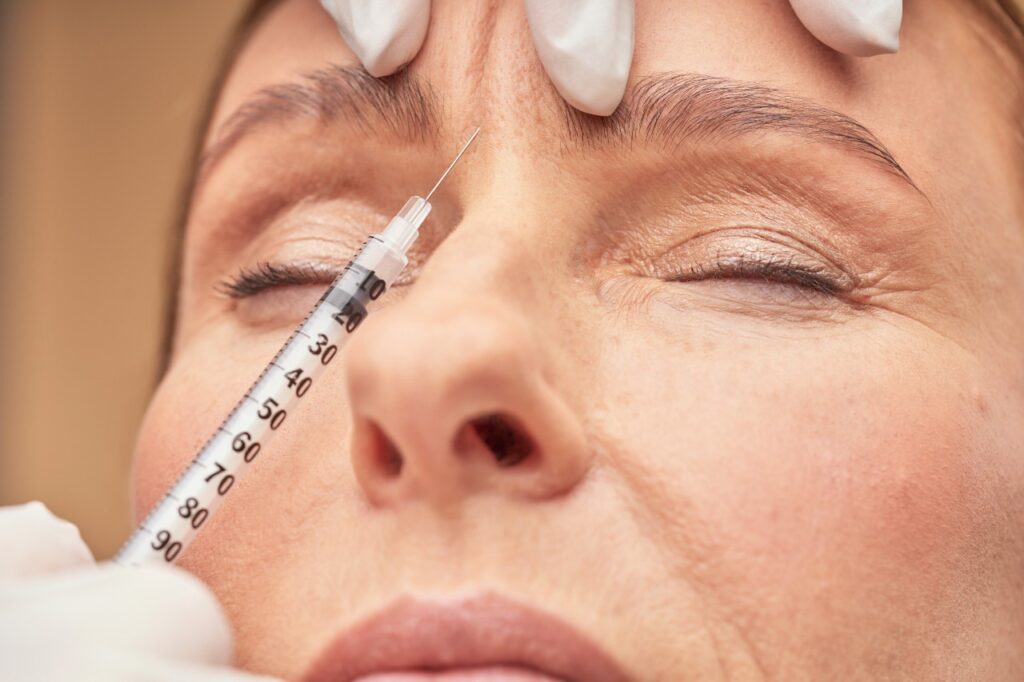
If you’re thinking about getting Botox for the first time, it’s normal to have questions. How does Botox actually work? Will you still look like yourself afterward? Does it hurt? How long will your results last?
Botox is one of the most well-known cosmetic injectable treatments available, but knowing what to expect before your first appointment can help you feel more comfortable and confident about your decision.
At ReGenesis Plastic Surgery, Dermatology & Spa, our team believes cosmetic treatments should be personalized to your features, concerns, and goals. If you’re considering Botox, here are 10 things to know before your first treatment.
Botox is a type of injectable treatment known as a neuromodulator. It temporarily reduces muscle activity that contributes to certain facial lines and wrinkles.
Many of the lines that develop on the face begin as dynamic wrinkles, meaning they become visible when you make expressions such as smiling, squinting, raising your eyebrows, or frowning. Over time, repeated movement can cause some of these lines to become visible even when your face is relaxed.
By temporarily relaxing carefully selected muscles, Botox can soften the appearance of these lines while maintaining a natural-looking result.
Botox does not add volume to the face, which is one of the biggest differences between Botox and dermal fillers. Fillers are generally used to restore or add volume, while Botox targets muscle activity.
Botox can be used to address several common areas of facial lines and wrinkles.
FDA-approved cosmetic treatment areas include:
Depending on your concerns and individual anatomy, we can evaluate which treatment areas may be appropriate for you.
One reason an in-person consultation is so important is that facial movement patterns differ for everyone. The right treatment plan should be based on your facial anatomy, not a one-size-fits-all number of injections or units.
There is no single age when someone “should” begin Botox.
Some people become interested in treatment when expression lines begin bothering them, while others wait until lines are more noticeable at rest. Your age is the only one factor to consider.
A Botox consultation may be worthwhile if you are concerned about expression-related facial lines and want a temporary, nonsurgical treatment option.
During your consultation, your provider can evaluate your facial movement, skin, treatment goals, medical history, previous cosmetic treatments, and other factors to determine whether Botox is appropriate for you.
You should also tell your provider about medications, supplements, previous surgeries, or cosmetic treatments, and any health conditions that could affect your treatment.
This is one of the biggest concerns we hear from patients considering Botox for the first time.
Botox should not automatically mean a completely expressionless or “frozen” appearance.
The goal of treatment is typically to reduce unwanted muscle activity while maintaining facial balance and natural expression. How Botox looks depends on several factors, including the muscles being treated, injection placement, dosage, your anatomy, and your desired outcome.
That is also why choosing an experienced medical provider matters. Botox treatment requires an understanding of both facial anatomy and how different muscles work together.
During your consultation, be clear about the result you want. If you want subtle improvement while keeping plenty of natural movement, tell your provider.
Botox treatment involves a series of small injections using a fine needle, so you may feel a quick pinch at each injection site.
For most patients, treatment is relatively quick and well tolerated.
The number of injections will vary depending on the areas being treated and your personalized treatment plan. Your provider can walk you through what to expect before getting started, particularly if you are nervous about needles or receiving injectable treatment for the first time.
One thing that can surprise first-time patients is that Botox results are not immediate.
Instead, the effects gradually develop after treatment. You may begin noticing changes within the first several days as the treated muscles start to relax.
Your results can continue to develop after that initial period, so don’t be concerned if you leave your appointment looking essentially the same as you did when you arrived.
Your provider can also let you know when they recommend evaluating your final results.
Botox is temporary.
For cosmetic treatment of facial lines, results commonly last around three to four months, although this varies from person to person.
Several factors can influence how long your Botox lasts, including:
As muscle activity gradually returns, treated lines may slowly become more noticeable again. Additional treatment can be considered when the effects begin wearing off.
There is no requirement to continue Botox indefinitely. If you decide not to receive another treatment, the effects will gradually fade as normal muscle activity returns.
One reason Botox is popular is that it generally requires little interruption to your normal routine.
Many patients return to most everyday activities shortly after their appointment. It is still important, however, to follow the aftercare instructions provided by your injector.
You may experience temporary redness, tenderness, swelling, or bruising near an injection site. These effects are generally mild when they occur.
More significant side effects can occur, so your provider should also explain what symptoms to watch for and when to contact the office or seek medical care.
Your provider will give you specific instructions based on your treatment and medical history.
Before your appointment, make sure your provider knows about all medications and supplements you take, including over-the-counter medications, vitamins, and herbs. Do not stop a prescribed medication unless the healthcare professional who prescribed it tells you to do so.
After Botox, you will generally want to avoid rubbing or massaging the treated area. Your injector may also give you temporary guidelines surrounding exercise, skincare, makeup, or other activities.
Following your provider’s instructions is the best way to know what is appropriate for your specific treatment.
The person performing your Botox injections matters.
Successful injectable treatment involves much more than simply knowing where wrinkles appear. Your provider needs to understand the underlying facial muscles, how those muscles interact, proper injection techniques, appropriate dosing, and how treatment can affect the overall balance of your face.
Before choosing a Botox provider, consider asking:
Your consultation should also feel like a conversation. A qualified provider should be willing to listen to your concerns, answer your questions, explain your options, and recommend a treatment plan based on your goals, not simply recommend more treatment.
If this is your first time considering Botox, you don’t need to arrive knowing exactly what you want treated or how many units you need. That is what your consultation is for.
Your provider can evaluate your facial expressions and areas of concern, discuss the type of result you’re hoping to achieve, review your medical history, and determine whether Botox or another treatment may be the better option.
In some cases, Botox may not be the best solution for the concern you want to address. Lines related primarily to volume loss, skin texture, or other changes may respond better to a different cosmetic treatment or a combination approach.
A personalized evaluation can help determine the treatment that makes the most sense for you.
Your provider may recommend temporarily limiting strenuous exercise following your injections. Follow the specific aftercare instructions you receive at your appointment before returning to workouts.
Many patients can return to wearing makeup shortly after treatment. However, you should avoid aggressively rubbing or massaging treated areas when applying or removing makeup.
As Botox gradually wears off, muscle movement returns and the lines treated with Botox may gradually become noticeable again. Your wrinkles do not suddenly become worse simply because Botox has worn.
No. Botox is a temporary treatment, and you are not obligated to continue receiving injections. If you stop treatment, muscle activity gradually returns.
Many Botox results last approximately three to four months, but the ideal treatment frequency varies. Your provider can recommend a schedule based on how you respond to treatment and the results you would like to maintain.
No. Botox and dermal fillers are different types of injectable treatments. Botox temporarily reduces targeted muscle activity, while dermal fillers are used to add or restore volume in specific areas. Your provider can help determine which type of injectable makes the most sense for your concerns.
Your first time Botox treatment should start with a conversation about your goals.
At ReGenesis Plastic Surgery, Dermatology & Spa, patients have access to a team of plastic surgeons, dermatology professionals, and medical aesthetics experts who take a personalized aproach to cosmetic care. Rather than using the same treatment plan for every patient, our team evaluates your individual features and goals to help determine the right approach for you.
If you’re considering Botox in Grand Junction, Colorado, schedule a consultation with ReGenesis to learn more about your options and what you can expect from treatment.